On Revenge

Blaugust Post #7

I still don’t take enough screenshots.

FF14 recently added an option where you can go into dungeons as an “undersized party” which is the only way to enter with fewer than the required number of people, and also skips the level sync portion. In all honesty I’m not sure what the intent is, but we’ve used it for two things: Entering level 50 raids at 60 and soloing old content.

Tam-Tara (Hard)

Into Darkness

Before I even properly leveled anything, one of the first things I did was go into Dzemael Darkhold on my warrior (at 50) and see if I could solo the thing. DD is a level 44 dungeon, and at the time I needed a relic drop from there and was quite tired of running it at the proper level.Turns out that except for the final boss, not only is it possible, it’s easy. The final boss is also possible, but considerably less easy. I always liked doing similar things in WoW, so I think this got me hooked on trying to solo things here.

goring blade

Further Endeavors

Fast Forward about a month, and I have a level 60 Paladin, ready to try my hand at some tougher content. Still needing Relic drops, I decided to start with Amdapor Keep, one of the “starting” level 50 dungeons. This took a bit more doing than Dzemael Darkhold, especially because the final boss has a healing debuff. I’ve been working my way down the list since then. I haven’t had any success with Copperbell (Can’t keep up DPS on the boss and do mechanics), or Lost City (The first boss just eats you, which is fatal with no party members). I did manage to solo Wanderer’s Palace and Halatali. I still have quite a few to go, so we’ll see where the brick wall is. I suspect that if I run into issues as a tank, I could always come back as one of the Arcanist classes once I get to 60.

On Ships that have Sailed

Blaugust Post #6

It’s interesting seeing things about a game that I’m done playing. If you are unaware, WoW: Legion was announced today, with the addition of Artifact Weapons (among other things). With this, they finally, finally have a weapon that feral druids give a damn about because it looks cool. (Ok, there was one other.) The Druid relic weapon enables form customization for feral and guardian druids, something that has been a complaint since I started playing and was kind of, sort of, not really addressed in Wrath, with the addition of forms based on hair/skin color.


It’s taken me a while of not playing WoW to realize that I care more than I thought about how my character looks when playing MMOs, and going back to the same cat/bear forms is kind of a drag. The transmog system was a great step in the right direction, but no matter what my normal armor looked like, I still turned into the same bear. No matter how awesome that weapon upgrade was, I sure couldn’t see it in cat form. Really I’m glad that they’re doing something about this, but it’s maybe too little, too late.

On Ships that have Sailed
Other things they’re adding sound cool, like the class hangouts for all of the classes (Monks, Druids, and DKs pretty much already had these, but it’s nice to spread the love). The Artifact weapons look a lot like the weapon upgrades in Destiny (which despite my overall thoughts on Destiny, is a cool system) so I hope they work out here too. If MMO-Champion’s writeup is to be believed, they might even understand why 5-person dungeons are worth keeping around. It’ll be interesting to see where this one goes. WoW can be a successful, sustainable MMO even at numbers far below its current ones, so I think players of the game have a lot to look forward to. I just don’t think I’ll count myself among that number in the near future.

Also, I’m not sure anyone needed Demon Hunters.

The Role of Randomness

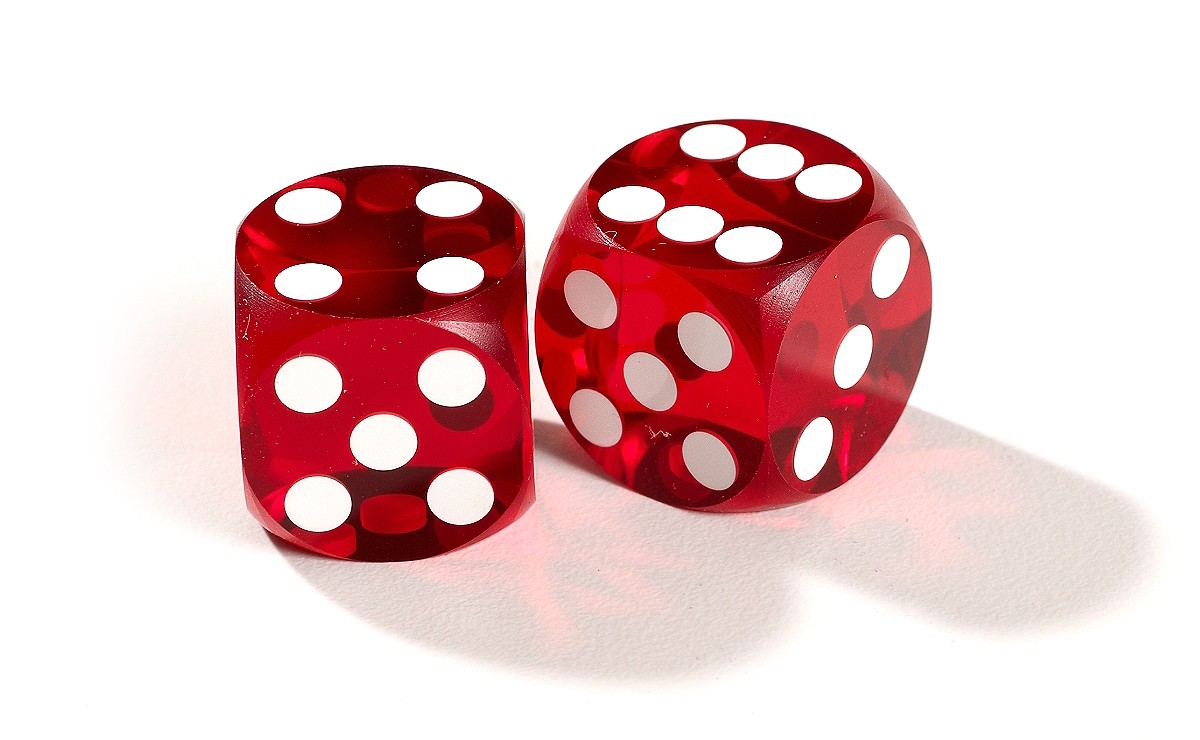
I really hate random results. It’s one of the reasons why Magic: the Gathering gets under my skin– even a perfectly constructed deck has a significant chance of losing you the game because you get a series of bad draws.

In most games with random elements, the goal of skilled play is to reduce the effects of the random element as much as possible. The more you can do this, the better. It’s what makes Infinity a tactically compelling game and other minis wargames starkly less so. Skilled play involves maneuvering and planning (two things that don’t involve a random element) in order to maximize your odds of success when you do inevitably have to turn to the RNG to determine your fate. Skilled play revolves around reducing this value as much as possible, and in Infinity you can reduce it quite a bit, through good planning and proper application of tools. In MMOs, you reduce randomness by planning strategies around random occurrences– if the boss has a nasty attack that randomly targets two people, part of your strategy involves everyone knowing what to do if it’s them that gets targeted.

Some element of randomness is important in games, however. A lot of games require that you do the same thing over and over again, and some unpredictability in results keeps things interesting. It’s often a relatively narrow band, but it’s what makes critical hits so fun (and critical failures so interesting). As a DM and game designer, I keep this very much in mind, because it affects enjoyment a lot.

The Role of Randomness

Consider the following: The critical item you need to succeed drops slightly less than one percent of the time. Success is doing that thing over and over again and fishing for that less-than-one-percent chance. That is miserable. Comparatively: If you score a critical hit, you get to perform a cool, class-defining attack. You have a critical hit rate of about 50%. This is a lot more fun, because it’s not predictable, but your odds of endless repetition for the slim hope of success is really unlikely.

Here’s the thing. As soon as something is possible in a game, it gets fed into a risk/reward analysis. People like to dismiss this as “theorycraft” or “mathhammer” or “crunch”, but the reality is that it’s true for every player. If you get a new ability, you’re going to experiment with it to see what it’s good for, or how cool it looks, or what-have-you. Alternately, you’re going to go to someone else who’s already done that experiment. Even if you’re just using said ability “because I like it”, you’ve still made a risk/reward analysis. Something with a random chance of occurring (say, a weapon proc or drop) is either not good enough to be worth pursuing or good enough that you absolutely must pursue it at any cost. This is why people spent months trying to get Thunderfury in Vanilla WoW, despite the pathetically low drop rate.

The Role of Randomness

For an extreme example, think of an ability that, one percent of the time (or less!) allowed you to use a cool class ability. Let’s say that, one percent of the time you cast a fireball, that fireball would be an AoE for full damage on all targets. You’d never use it, and you’d probably hate the ability. You’d barely notice when it triggered, you’d be mildly happy when it triggered when you wanted it to, and you’d remember every single time it triggered when you were trying to be really precise about your targeting and it screwed something up. It would be frustrating and maddening to use.

The key is that, in order to be fun, random effects need to be a few things:

  1. Not punitive.
  2. Frequent enough to be noticeable.
  3. Controllable to some extent.
  4. Not crucially tied to basic, moment-to-moment functionality.

This is why the Machinist in FFXIV is so frustrating for many people to play. Your basic attack combo has an element of randomness to it. It’s worth noting that the class gives you a method with which to control that randomness to some extent, which is kind of a big deal. It’s what makes the Astrologian fun– you get a random card draw, but you have options with what to do with that card. Infinity’s range bands and shooting odds are controllable. Well designed raid bosses don’t kill you randomly with mechanics (and the ones that do are viciously disliked).

The Role of Randomness

Like many things, it’s a matter of moderation. Randomness is important or you can decide games before they’re played– it’s a very easy way to avoid your game being reliably “solved”. Tic-tac-toe is a solved game, but if the game randomly selected a square that you COULDN’T play in every turn, it would quickly not be solved (though it probably wouldn’t be much more fun).

There’s an elegance to games that are not at all random but are still not necessarily predictable or easy to win. Go is a good example, as is pretty much every bullet hell shooter. Similarly, some wildly random games are still fun– while I personally dislike Magic, a very large number of people play it and its randomness is a very good way to muddle minor skill disparities (which is what it was designed for to begin with) while still allowing large skill disparities to stay noticeable.

The Role of Randomness

It’s probably apparent by now that I don’t gamble. C’est la vie.

The Role of Randomness

I really hate random results. It’s one of the reasons why Magic: the Gathering gets under my skin– even a perfectly constructed deck has a significant chance of losing you the game because you get a series of bad draws.

backgammon-precision-dice-dark-red_primary

In most games with random elements, the goal of skilled play is to reduce the effects of the random element as much as possible. The more you can do this, the better. It’s what makes Infinity a tactically compelling game and other minis wargames starkly less so. Skilled play involves maneuvering and planning (two things that don’t involve a random element) in order to maximize your odds of success when you do inevitably have to turn to the RNG to determine your fate. Skilled play revolves around reducing this value as much as possible, and in Infinity you can reduce it quite a bit, through good planning and proper application of tools. In MMOs, you reduce randomness by planning strategies around random occurrences– if the boss has a nasty attack that randomly targets two people, part of your strategy involves everyone knowing what to do if it’s them that gets targeted.

Some element of randomness is important in games, however. A lot of games require that you do the same thing over and over again, and some unpredictability in results keeps things interesting. It’s often a relatively narrow band, but it’s what makes critical hits so fun (and critical failures so interesting). As a DM and game designer, I keep this very much in mind, because it affects enjoyment a lot.

100845

Consider the following: The critical item you need to succeed drops slightly less than one percent of the time. Success is doing that thing over and over again and fishing for that less-than-one-percent chance. That is miserable. Comparatively: If you score a critical hit, you get to perform a cool, class-defining attack. You have a critical hit rate of about 50%. This is a lot more fun, because it’s not predictable, but your odds of endless repetition for the slim hope of success is really unlikely.

Here’s the thing. As soon as something is possible in a game, it gets fed into a risk/reward analysis. People like to dismiss this as “theorycraft” or “mathhammer” or “crunch”, but the reality is that it’s true for every player. If you get a new ability, you’re going to experiment with it to see what it’s good for, or how cool it looks, or what-have-you. Alternately, you’re going to go to someone else who’s already done that experiment. Even if you’re just using said ability “because I like it”, you’ve still made a risk/reward analysis. Something with a random chance of occurring (say, a weapon proc or drop) is either not good enough to be worth pursuing or good enough that you absolutely must pursue it at any cost. This is why people spent months trying to get Thunderfury in Vanilla WoW, despite the pathetically low drop rate.

2wp7ywg

For an extreme example, think of an ability that, one percent of the time (or less!) allowed you to use a cool class ability. Let’s say that, one percent of the time you cast a fireball, that fireball would be an AoE for full damage on all targets. You’d never use it, and you’d probably hate the ability. You’d barely notice when it triggered, you’d be mildly happy when it triggered when you wanted it to, and you’d remember every single time it triggered when you were trying to be really precise about your targeting and it screwed something up. It would be frustrating and maddening to use.

The key is that, in order to be fun, random effects need to be a few things:

  1. Not punitive.
  2. Frequent enough to be noticeable.
  3. Controllable to some extent.
  4. Not crucially tied to basic, moment-to-moment functionality.

This is why the Machinist in FFXIV is so frustrating for many people to play. Your basic attack combo has an element of randomness to it. It’s worth noting that the class gives you a method with which to control that randomness to some extent, which is kind of a big deal. It’s what makes the Astrologian fun– you get a random card draw, but you have options with what to do with that card. Infinity’s range bands and shooting odds are controllable. Well designed raid bosses don’t kill you randomly with mechanics (and the ones that do are viciously disliked).

Volt Securities and Interdiction, my (commissioned) Ariadna force.

Like many things, it’s a matter of moderation. Randomness is important or you can decide games before they’re played– it’s a very easy way to avoid your game being reliably “solved”. Tic-tac-toe is a solved game, but if the game randomly selected a square that you COULDN’T play in every turn, it would quickly not be solved (though it probably wouldn’t be much more fun).

There’s an elegance to games that are not at all random but are still not necessarily predictable or easy to win. Go is a good example, as is pretty much every bullet hell shooter. Similarly, some wildly random games are still fun– while I personally dislike Magic, a very large number of people play it and its randomness is a very good way to muddle minor skill disparities (which is what it was designed for to begin with) while still allowing large skill disparities to stay noticeable.

Magic_the_gathering-card_back

It’s probably apparent by now that I don’t gamble. C’est la vie.


Source: Digital Initiative
The Role of Randomness